
Enjoy Happy Trails, the free monthly newsletter from Hiking For Her
Receive a free resource: "Hiking Layering System Explained"
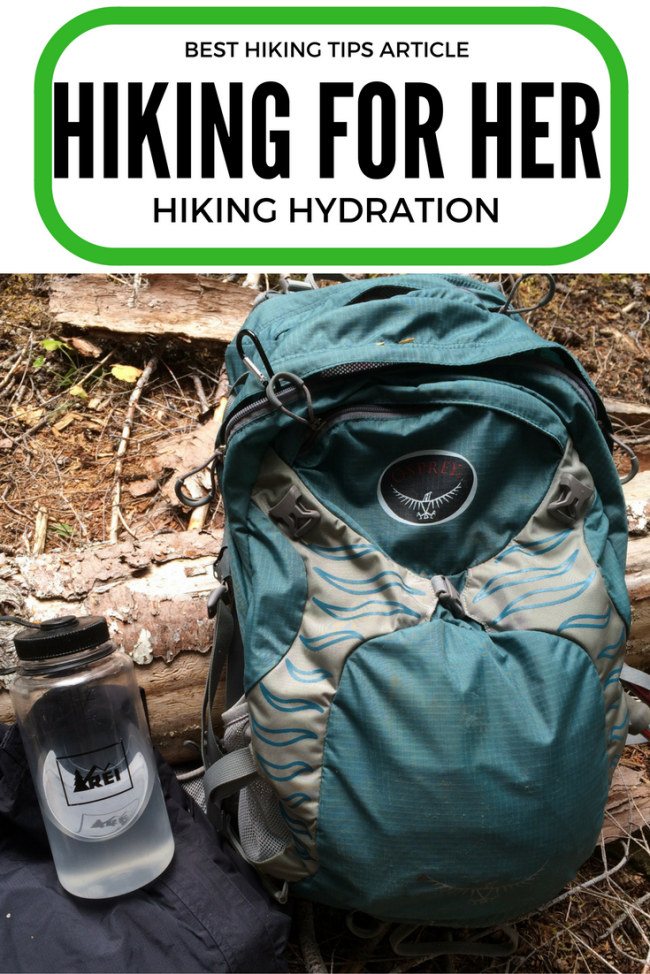
Hiking Hydration
By Diane Spicer
There are several philosophies on hiking hydration.
As an "old school" hiker (way over 40), I am fine with stopping for quick water breaks.
Typically, this involves handing my trail buddy his/her water bottle while waiting for mine to be handed to me.
Or taking off my backpack if I'm on a solo hike.
- I don't sit down.
- I take only a few sips and savor them on my tongue before swallowing.
Too much water hitting an empty stomach quickly can lead to nausea and sometimes cramping.
But there's an easier way to get to your water supply.
Hiking hydration systems
Many hikers vehemently support the "hydration system" approach to hiking hydration.
Why carry a water bottle in an external pack pocket when you can have continuous access to water?
A hiking hydration system is a bit more complicated than a bottle.
A water bladder or reservoir, carried inside your backpack, provides water via a drinking tube whenever you choose to sip.
- Convenient, or what?
A hiking hydration backpack provides ample room for the full bladder and the tubing, with a bite valve controlling the flow of water into a hiker's mouth.
These hiking hydration systems can get pretty fancy, along with an implied commitment to regular hygiene.
Full disclosure
I freely admit that I've never tried one, so I can't comment on their worth.
Why is that?
I wonder about the necessity of adding a slime inhibitor to my hiking gear list.
As a retired microbiologist, I'm a bit squeamish about what can grow on all that closed plastic surface area (biofilms).
- Is it possible to clean the twisty interior surfaces of the bladder and the length of tubing?
- What about the bite valve?
- What happens on a backpacking trip if the hose turns green??
These questions have stopped me from using a hydration system.
Why you need top notch
hiking hydration
Regardless of the delivery system, you need lots of clean water while you hike, before and after your hike, too.
- With every breath, you lose water molecules from your body.
- Water is the solvent for all your biochemistry, meaning it keeps you upright, moving and aware.
I don't know about you, but I tend to go into open-mouthed breathing when I'm hiking uphill, so I lose even more water during that phase of each hike.
- Dial in more water breaks or carry extra water for your hydration system on hikes that tackle elevation gains.
One more consideration for
your water balance on a hike
If you consumed dehydrating beverages or food recently, you are starting off with a water deficit.
- Morning coffee or tea on the drive to the trail head
- Last night's beer or carbonated beverage
- Salty, spicy, heavy foods (pizza with your beer)
You might not notice it until you ask your legs to start tackling the trail.
Feeling sluggish, tired or irritable is a clue that you're dehydrated.
- Be your own best friend and drink some water, just water, before you hit the trail.
Stay alert for the dehydration signs and symptoms discussed here.
Not feeling thirsty on a hike?
You've either learned to ignore your thirst sensations, or you're going to be hit soon with overwhelming thirst during your hike.
It's a cruel twist of physiology that once the thirst drive kicks in, you're already on the slippery slope toward a large water deficit.
Here's an easy way to monitor your water level, other than your thirst: Keep an eye on how much, and what color fluid, you are urinating.
- Scant amounts of darkly colored urine are an indication that your kidneys are reclaiming most available water molecules and putting them back into your bloodstream.
Drink more water immediately until your urine becomes abundant and straw colored (i.e. pale yellow).
- This is especially important if you feel light headed or woozy.
Another clue that you're dehydrated
Ouch! A dehydration headache.
Mine tends to throb around my temples and pull at my eyes.
I sometimes have to drink a quart or two of water before it goes away.
And if I don't have that much with me?
Double ouch.
I always make time to sit quietly and drink at least a quart of water after a strenuous hike, headache or no headache.
If I don't need the water, no harm don.
My kidneys will produce abundant clear urine and my cells will be properly hydrated.
Kidneys are very wise organs! Support their proper function with good hiking hydration.
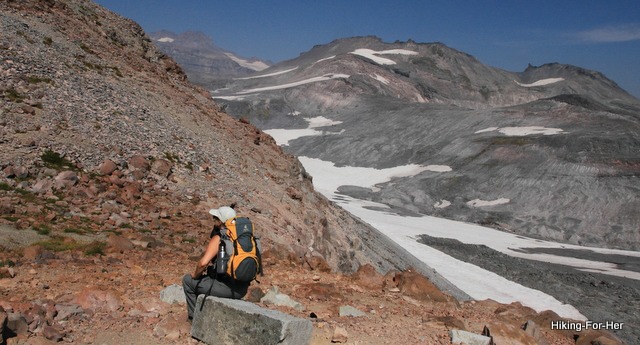 The more you sweat, the more you need to pay attention to hiking hydration.
Perspiration: it's a good thing
No, really!
Does that go against what you've been taught in terms of personal hygiene?
Think again!
You perspire to dump excess heat in your core. If you're burning up the trail, you don't want your internal organs to get overheated and cease to function.
And if you're hiking with a doggie friend, be aware that the only way they can dump excess heat is to pant - which makes them thirsty, which means you've got to carry water (or have them carry water) to replace what's lost in the drool.
I don't wear antiperspirant or deodorant when I hike, because I want to capitalize on the ability of my sweat to carry away impurities and toxins and to clean out my pores.
- Working up a good sweat is an age old cleansing technique!
An additional benefit of your muscular contractions during a hike: it gets the lymphatic system moving.
That's another way to purify the blood and allow toxins to flow out of the skin pores where they can be flushed away when you shower or swim.
Are you offended by body odor?
Sweat won't smell bad until bacteria have had a chance to start metabolizing it, so on a day hike, what you are smelling is that person's characteristic "signature" odor.
A garlic eater will have different odor than a curry eater than a meat eater.
As long as you shower or bathe after a hike, the odor won't be much of a problem.
On multiday hikes, washing
up each evening not only feels good, but removes odors. Here are my backpacking hygiene kit tips.
How much sweat is "too much"?
Don't ask me.
I always have a soaked shirt by the time I've reached my destination.
Because of this, I carry a clean, dry shirt to change into at turn-around time if the weather is cool (prevents hypothermia).
I just dry off in the sun during the summer - a perfect excuse for an after-lunch siesta on a comfy rock.
Can you tell that I'm a big fan of perspiration?
- It's Mother Nature's way of keeping me cool and clean, inside and out.
- And it's the perfect excuse to fill up my water bottle with cool, clean water as part of my hiking hydration strategy.
An aside about perspiration
If you are hiking with someone you are romantically involved with, or want to be involved with, the pheromones in your sweat can be a huge turn-on.
Or not.
A lot of human reproduction/romance is tied up in smell.
Really!! If you don't believe me, ask the perfume manufacturers. They make a fortune on your sense of smell along with perceived or learned olfactory associations.
What to put in your hiking water bottle
Water, right? Duh!
But you can add "enhancements" if you're really serious about preventing muscle cramps and post-hike aches and pains.
As far as what to add to your water bottle or hydration system, there are many opinions about sports hydration.
And play it safe with your drinking water.
- Waterborne hiking illness is no joke.
- Be thoughtful about your backpacking water treatment strategies.
- On day hikes, carry a lightweight, efficient Lifestraw personal water filter.
- Or a Water-to-Go filter + water bottle.
Hiking hydration means keeping the water you put into your body where it belongs: in your body!
Trail tip:
Add powdered electrolytes to your hiking hydration routine in hot or strenuous conditions.
Also, carry some in your first aid kit in case you are losing precious body water via diarrhea or vomiting. It will buy you some time so you can hike out and get help.
No sugar, keto friendly, gluten free, and delivers important ions like potassium, magnesium and calcium in each sip!
The hint of flavor makes it more likely that water breaks will be appealing.
Pre-packaged sticks are perfect for throwing into a survival kit or first aid bag, or when traveling.
Convinced yet?
Convinced that hiking hydration truly is a big deal?
Make sure you're paying attention to your level of "juiciness" throughout your next hike!
And don't ignore a headache or cramping. It's your signal to gluggggggg down some clean cold water ASAP.
Your kidneys will love you for it.
Hurrah for your kidneys!!
Send them some love, in the form of water molecules.
- Read more about hiking water here
Home page > Best Hiking Tips >
Hiking Hydration
Hiking For Her recommends only what works on the trail. When you purchase through this website, you pay nothing extra while helping these tips to flow freely.
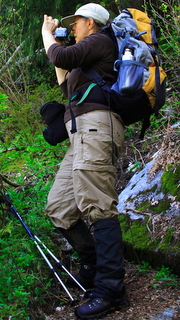
Diane started hiking in 1971. She started Hiking For Her in 2008 as a resource to encourage every woman to take a hike. Please enjoy these expert hiking tips as you explore what hiking offers in any weather, season or location.
Meet Hiking For Her's Diane
TODAY'S BEST OUTDOOR GEAR DEALS
REI Co-op Members save an extra 25% on REI Outlet fitness clothing & gear 4/12 thru 4/15.
Example: Hydro Flask bottle with cap, marked down from $49.95 to $26.73.
Use code OUTFIT24.
See ALL the great deals on the Hiking For Her Best Current Deals page!
POPULAR POSTS



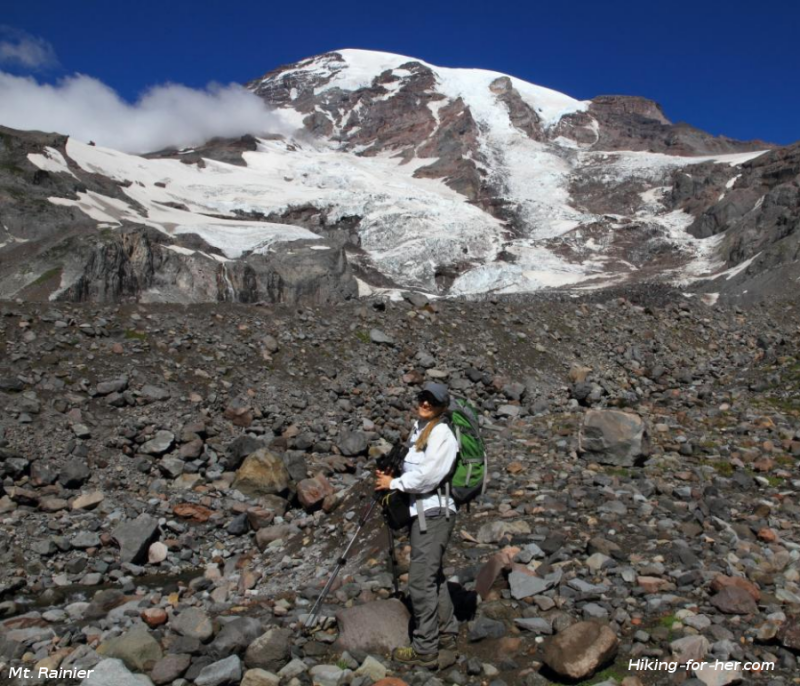
Diane Spicer founded the Hiking For Her community in 2008 to encourage female hikers, those who wanted to begin hiking as well as those who were in love with this fantastic sport already.
On this website she shares expert hiking tips and recommendations, gear reviews and photos from her outdoor adventures to welcome everyone to learn the necessary skills for comfort and safety on a hike.
This reader supported website does not use sponsored or promoted content. There are no ads or paid link placements. Everything you read is based on decades of personal hiking experience in many different locations.
All rights reserved.
Photo credits: All photos on this website were taken by David Midkiff or Diane Spicer except where noted.
Disclosures
Privacy
Copyright
Media
As an Amazon Associate, Hiking For Her earns from qualifying purchases.
When you buy through our links to trusted outdoor gear affiliates, we may earn a commission while you pay nothing extra.